
Oman condemns shipping attacks as Iran sets conditions for Strait of Hormuz reopening
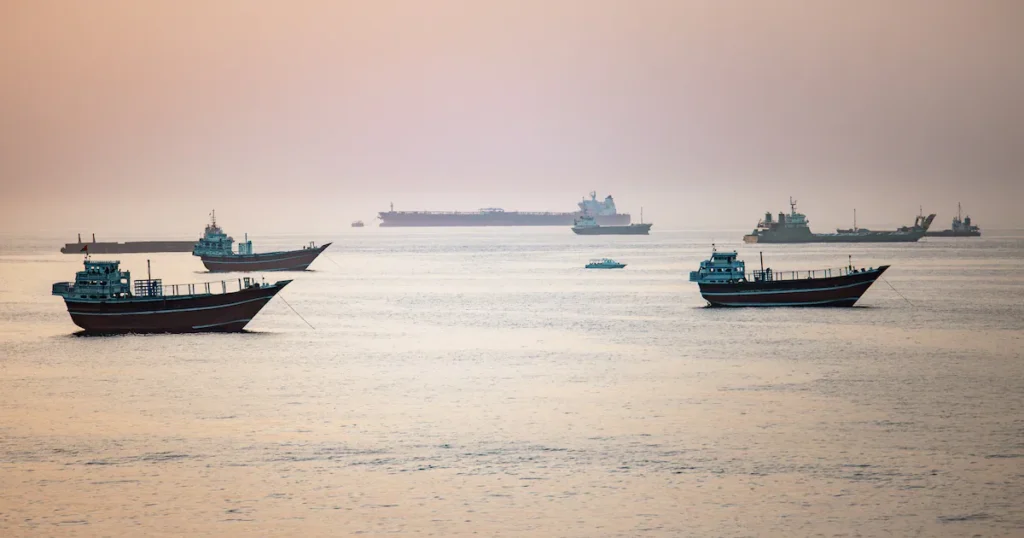
The Omani Foreign Ministry has condemned recent attacks on vessels in the Strait of Hormuz, describing them as a violation of international law and territorial sovereignty. Muscat warned that such actions threaten maritime safety and regional stability. While the ministry did not identify the perpetrators, it noted that navigation talks with Iran are progressing in a positive and constructive atmosphere. Iran’s Foreign Minister, Abbas Araghchi, stated that Tehran and Muscat are close to an agreement on a new temporary shipping route, but emphasised that full reopening depends on broader conditions, including US reparations. Previous plans for separating shipping lanes are no longer acceptable to Tehran. Hassan Ghashghavi, spokesperson for the Iranian Parliament’s National Security and Foreign Policy Committee, confirmed that a general framework has been reached, though final approval is pending. Mohammad Bagher Zolghadr, secretary of the Supreme National Council, outlined six conditions for reopening, including an end to US threats against Iran and its regional allies, the lifting of the naval blockade, the withdrawal of US forces from the region, compensation for war damages, and the unfreezing of Iranian assets. The IRGC echoed this stance, with spokesperson Hossein Mohebbi stating that the Strait will reopen only when Washington accepts these terms. President Masoud Pezeshkian remarked that the timing for an agreement is appropriate, asserting that Iran remains strong and unified. These developments follow reports from the UAE that an Iranian missile struck a state-owned oil tanker, and a separate incident reported by the UK Maritime Trade Operations involving a vessel fire caused by an unidentified projectile. Since the 28 February strikes by the US and Israel, Iran has imposed severe restrictions on the waterway, disrupting global energy supplies. A US official expressed optimism that an agreement is near, suggesting that Washington would lift the blockade on Iranian ports once commercial shipping resumes. However, reports suggest the proposal might grant Tehran control over incoming vessels, a move the US has historically opposed.