
Mohsen Rezaee appointed Secretary of Iran’s Supreme National Security Council
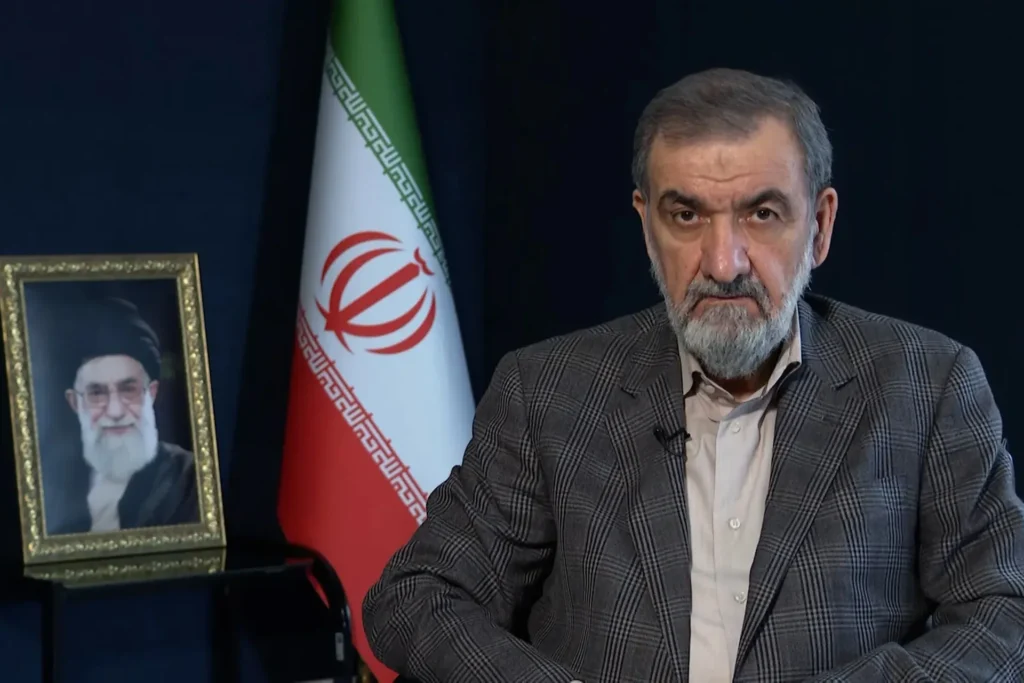
Tehran has appointed former Islamic Revolutionary Guard Corps (IRGC) commander Mohsen Rezaee as Secretary of the Supreme National Security Council. The decision, made during a period of war and stalled negotiations with the United States, is being interpreted either as a move to prioritise military considerations in decision-making or as an attempt to build domestic consensus for a potential agreement. President Masoud Pezeshkian’s office announced on Sunday that Rezaee replaces Ali Shamkhani, while Supreme Leader Ali Khamenei appointed Rezaee as his personal representative to the council, citing his experience during the Iran-Iraq War. Shamkhani remains within the leadership structure, having been appointed as a political advisor to the Supreme Leader. According to Al Jazeera, this reshuffle may reflect a redistribution of responsibilities rather than a simple replacement. The Supreme National Security Council serves as the primary forum where the presidency, foreign ministry, and security apparatus coordinate policy. Given current tensions over shipping and sovereignty in the Strait of Hormuz, the appointment carries significant weight. Analyst Mashallah Shamsolvaezin noted that the appointment was unexpected for many who anticipated new faces to lead the council. He suggests that hardline factions view Rezaee’s military background as a way to bolster the council's security credentials. Shamsolvaezin argues that Rezaee’s presence could mitigate domestic criticism of negotiations, as hardliners would find it difficult to accuse a former IRGC commander of compromising national security. Conversely, international relations professor Mohsen Farkhani interprets the appointment as a shift in Iran’s security doctrine. He suggests the move follows perceived US violations of previous understandings and the failure of diplomacy to curb regional conflict. Farkhani links Rezaee’s background to a potential move toward 'offensive deterrence' and preparation for a protracted war. Under this interpretation, Tehran may adopt a more rigid stance in future negotiations. However, Farkhani notes that Rezaee does not unilaterally alter the legal powers of the president or the military, but rather increases the influence of security perspectives in policy formulation. Ultimately, the council's future actions regarding the Strait of Hormuz and US relations will determine whether the return of this 'man of war' is intended to manage a long-term confrontation or to provide the political capital necessary for a diplomatic breakthrough.