
Pezeshkian denies resignation as tensions mount over war and US diplomacy
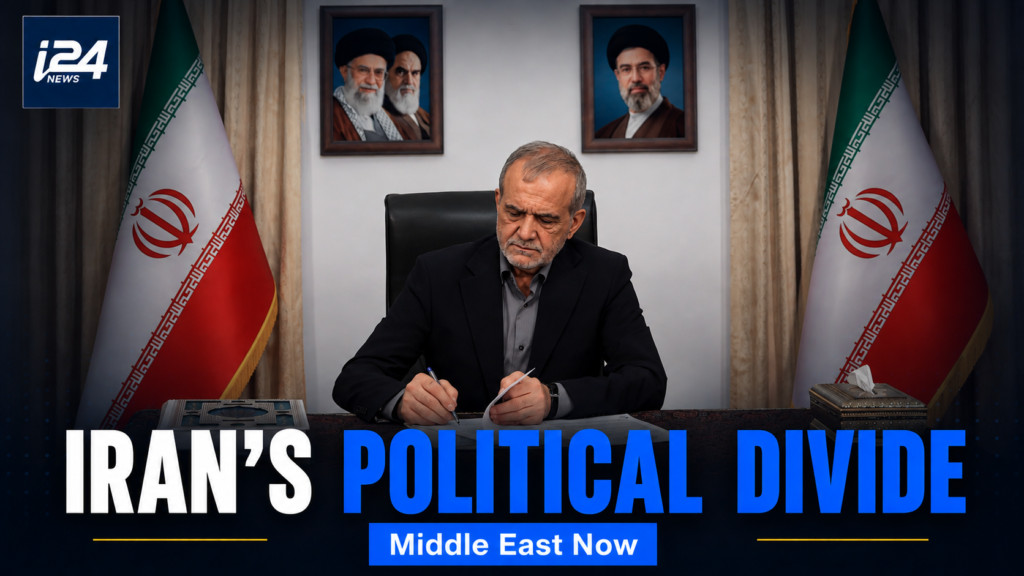
Iranian President Masoud Pezeshkian on Tuesday dismissed reports that he had repeatedly threatened to resign, stating he would remain in his post. The denial comes as divisions between the government, parliament, and security institutions over the management of the war and diplomatic engagement with the US become increasingly apparent. In a preview of an interview to be broadcast on state television, Pezeshkian stated, "I will not resign and I will stand firm," adding that his government maintains full coordination with Iran's military command. This denial follows claims by Mohammad Bagher Kharrazi, a cleric close to the family of Mojtaba Khamenei, who alleged that Pezeshkian had threatened to resign 28 times, only to back down after being warned that a subsequent resignation would be accepted. Iran International previously reported in May that Pezeshkian had submitted a resignation letter to the Supreme Leader's office, citing his exclusion from key decisions by hardline factions. Iranian officials denied that report at the time, and no such letter has been made public. Mitra Jashni, a political and cultural advisor to the group Iranians for Liberty, told i24NEWS that survival has become the central issue following the costly war driven by the Islamic Revolutionary Guard Corps' policies. She noted that such fractures inevitably emerge when an authoritarian regime fears for its future. Pezeshkian has adopted a more cautious tone regarding the conflict with the US, stating on Tuesday that while Iran will defend its territory, it has no intention of expanding or continuing the war. He warned that internal divisions could provide enemies with opportunities to intervene and destabilise the country's social fabric. This stance contrasts with the rhetoric of influential parliamentary figures, particularly regarding contacts with Washington. MP Hosseinali Haji-Deligani stated that lawmakers are gathering evidence to impeach Foreign Minister Abbas Araghchi. He accused Araghchi of engaging in inappropriate discussions during US-brokered ceasefire efforts, arguing that even using the word "negotiation" could be perceived as a sign of weakness. Haji-Deligani added that parliament would reject any agreement that limits Iranian sovereignty or cedes control of territorial waters. These threats coincide with claims by US President Donald Trump that talks with Iran have begun, describing the current window as Tehran's "last chance" for a deal. Iranian officials deny direct negotiations, claiming they are only discussing shipping in the Strait of Hormuz via Oman. These conflicting narratives complicate the potential implementation of any agreement. Even if Pezeshkian and Araghchi support a deal, hardline opponents in parliament and the security apparatus may block it or frame it as a surrender. With the Supreme Leader and the IRGC retaining control over national security decisions, the extent of the president's actual authority remains in question. The escalation suggests that hardline factions may be positioning to hold Pezeshkian and Araghchi responsible for either outcome: the continuation of a costly war or the concessions required to end it.