

New study: Evolutionary pelvic differences made males more efficient walkers
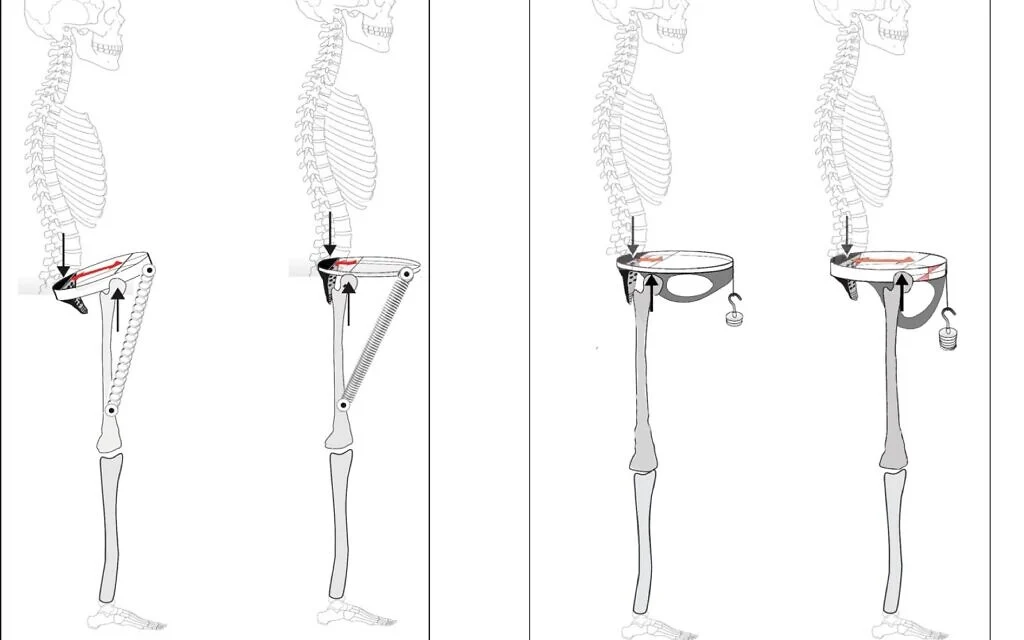
According to a study published in Scientific Reports, the difference in how men and women walk may stem from an evolutionary development that made human males more efficient walkers than their Neanderthal ancestors. Prof. Yoel Rak of Tel Aviv University’s Department of Anatomy and Anthropology, who led the research, states that the male pelvis has adapted over time to minimize energy expenditure and cushion the body from the impact of walking. In contrast, the female pelvis did not undergo the same modifications due to constraints related to the reproductive system, such as the need for a wider birth canal, and thus remained anatomically similar to that of Neanderthals. The study was conducted in collaboration with researchers from Spain and several Israeli academic institutions. The findings indicate that in modern males, the hip joint is positioned differently than in females and Neanderthals, allowing them to store energy and move more efficiently. Prof. Rak suggests this biomechanical difference may have influenced the division of labor in prehistoric societies, though he emphasized that the findings also have significant implications for modern medicine, rehabilitation, and the treatment of lower-back and joint pain.