
Beijing’s Challenge to Trump’s Economic Pressure Strategy Against Iran
Following the failure of initial efforts to achieve regime change in Iran through military pressure, the Donald Trump administration has shifted its strategy toward 'economic isolation.' US Treasury Secretary Scott Bessent recently announced an operation aimed at cutting off Iran's access to global markets, banking systems, and oil revenues. This plan threatens not only Iran but also any country, bank, or company that continues to trade with Tehran with severe sanctions and exclusion from the dollar system.
At the center of this challenge is China, Iran's largest trading partner. Analysts believe that without Beijing's cooperation or a significant reduction in Chinese oil purchases, the success of this economic blockade will be extremely difficult. Dr. Ori Sela, an expert on East Asian studies at Tel Aviv University, argues that China's interests in Iran are more geostrategic and ideological than purely economic. According to Sela, China has diversified its energy sources and strengthened its strategic reserves by purchasing discounted oil from Russia and Iran, meaning it does not have a critical dependency on Iranian oil.
Meanwhile, Beijing views these US actions as interference in its internal affairs and has opposed this 'economic war,' citing international law. China also possesses reciprocal leverage, including control over rare earth minerals critical to US supply chains. Nevertheless, both nations seek economic stability to address their respective domestic challenges.
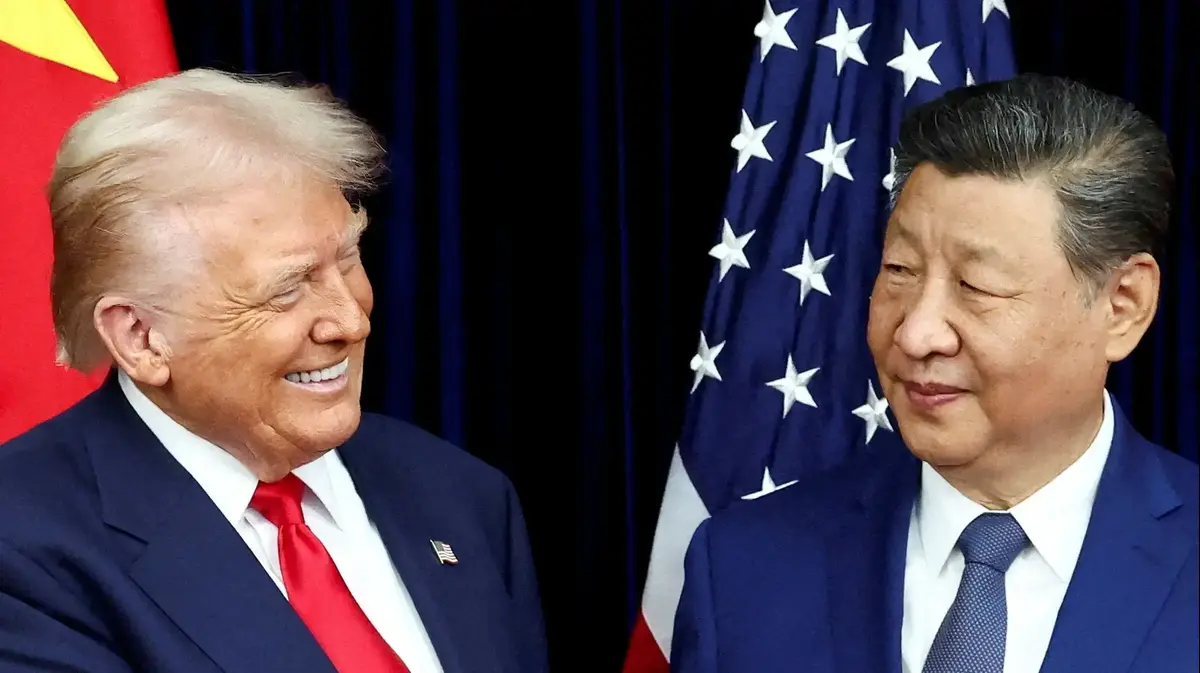
As Trump and Xi Jinping are expected to meet next month, the issue of Taiwan remains a key leverage point in bilateral relations. Dr. Sela warns that intensifying direct sanctions against Iran may push China toward strengthening trade in yuan and reducing reliance on dollar-dominated financial systems—a development Washington is navigating with caution.