

Pentagon report: War with Iran has caused munitions shortages and strategic gaps
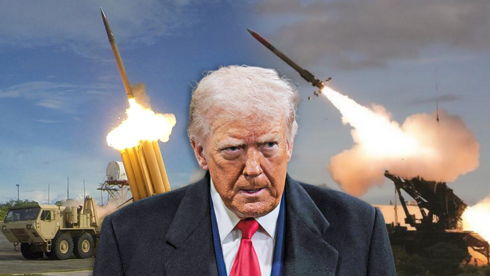
A new report by the U.S. Department of Defense inspector general, submitted to Congress, confirms for the first time that military operations against Iran have created "strategic gaps" in U.S. military stockpiles. The report, the first quarterly assessment of "Operation Epic Fury," indicates that supply chains and the defense industry's capacity to rapidly replenish armaments are facing significant limitations.
The Pentagon report cites bottlenecks such as the production of solid-fuel rocket motors, shortages of high-quality explosives, and a lack of skilled labor in the defense sector. These findings contrast with previous statements by officials in the Donald Trump administration, including Defense Secretary Pete Hegseth, who had previously denied reports of munitions shortages.
According to the report's data, the cost of the war through the end of June reached approximately $33.4 billion, with $22.3 billion attributed solely to expended munitions. During this period, seven U.S. service members were killed in combat operations and 417 were wounded. Equipment losses included dozens of aircraft and drones, alongside damage to U.S. base infrastructure across the region.
The report comes as the White House has submitted an $87.6 billion emergency funding request to Congress, a significant portion of which is earmarked for replenishing munitions stockpiles. As the campaign continues, the official finding is expected to intensify debate in Washington regarding the U.S. military's ability to sustain a prolonged war with Iran while maintaining sufficient reserves for potential conflicts in other theaters.