

Wildfires in Europe detonate dormant bombs from World Wars
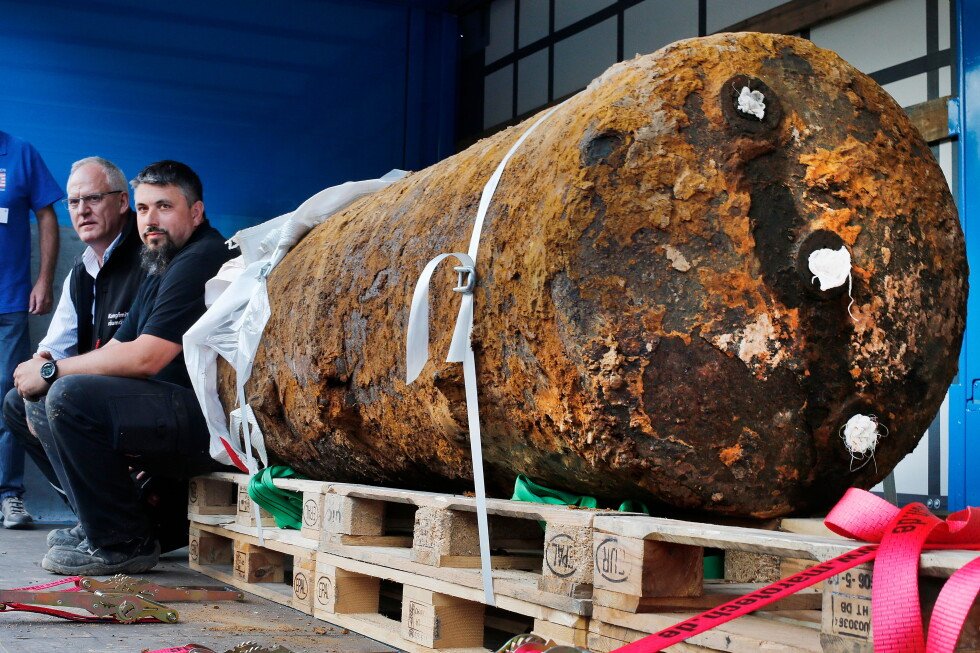
Widespread wildfires burning across Europe this summer have exposed a lethal threat lurking beneath the soil: rusty bombs and mines from World War I and II. The intense heat from these fires has triggered explosions in France, Belgium, Germany, and the Netherlands, complicating efforts for emergency crews responding to the flames. Sarah Njeri, a peace and conflict scholar at London’s School of Oriental and African Studies, notes that climate change is effectively unburying and reactivating munitions that had remained stable for decades. Beyond wildfires, severe drought has also caused water levels in rivers and lakes to drop, revealing old weapons in places like the Danube River and the Rhine. In Belgium, the Ministry of Defense reports that it responds to over 3,000 calls annually, disposing of 200 to 250 tons of war-era munitions. Local historian Bernard Collard, who scans former battlefields for remnants, emphasizes that these explosives remain a persistent, dangerous legacy that emergency services must now account for while battling the fires.