
Rising Tensions: Targeting of Iranian Oil Tankers Marks Shift in Washington’s Strategy
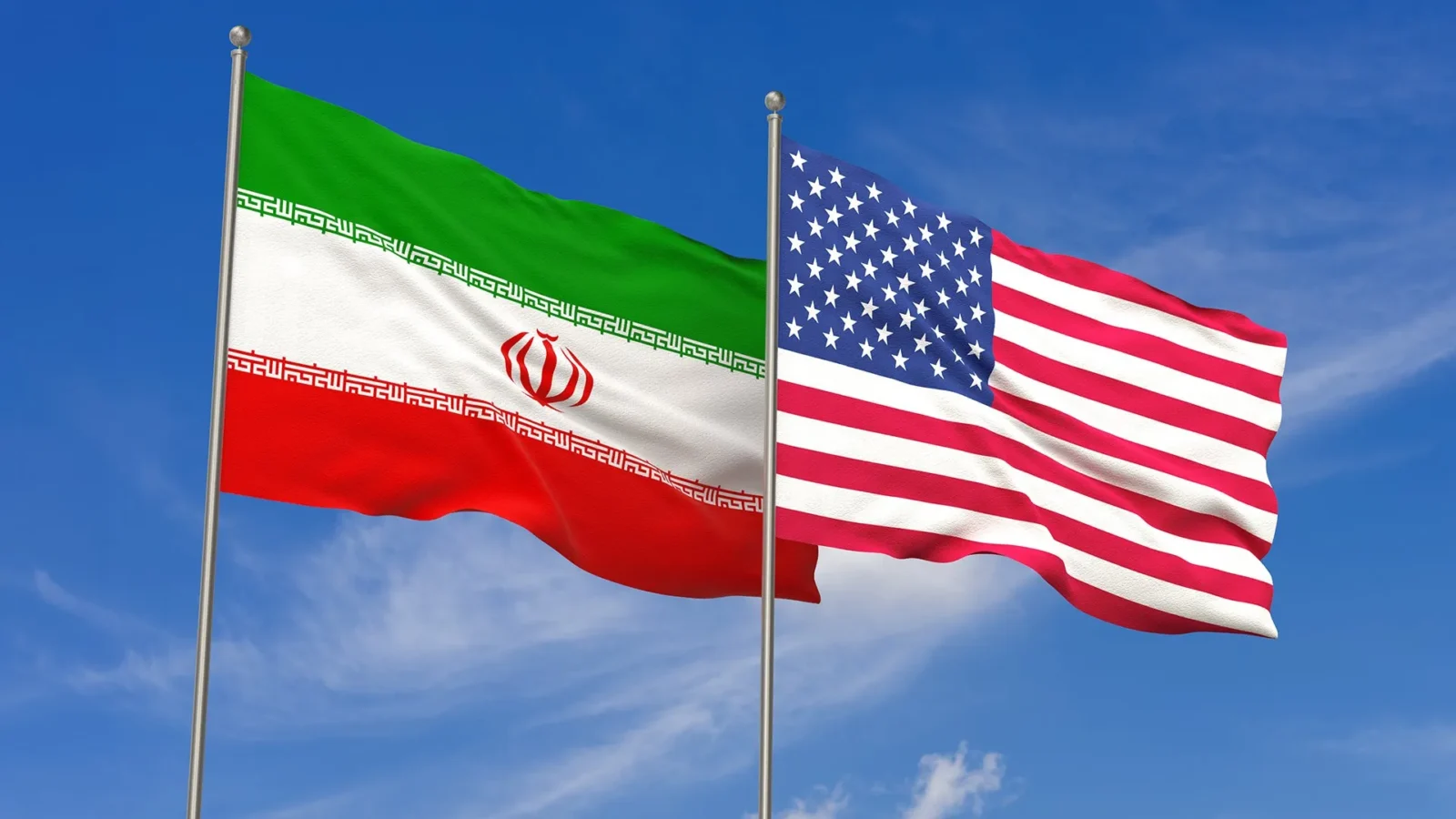
The targeting of Iranian oil tankers marks a significant shift in the confrontation between the United States and Iran. According to current assessments, operations have moved from focusing on military targets and nuclear or missile facilities to striking the oil sector, which serves as the lifeline of the Iranian economy. Mohammed Cherkaoui, a professor of international conflict resolution, suggests that developments from late February to early September 2026 indicate a gradual transition from indirect warfare to a more direct confrontation. He notes that targeting oil tankers combines military pressure with economic strangulation. Analysts warn that this trend could push crude prices toward the $100-per-barrel mark, potentially creating domestic challenges for the Donald Trump administration regarding fuel prices. Meanwhile, former U.S. Ambassador Joey Hood suggests that Tehran might be seeking to pressure Washington and Israel by raising the costs of confrontation through energy prices. However, experts warn of the risk of miscalculation and the potential for the conflict to expand geographically to the Gulf states, Syria, Lebanon, Iraq, and Jordan.