

Twenty-five years after 9/11: How has New York changed?
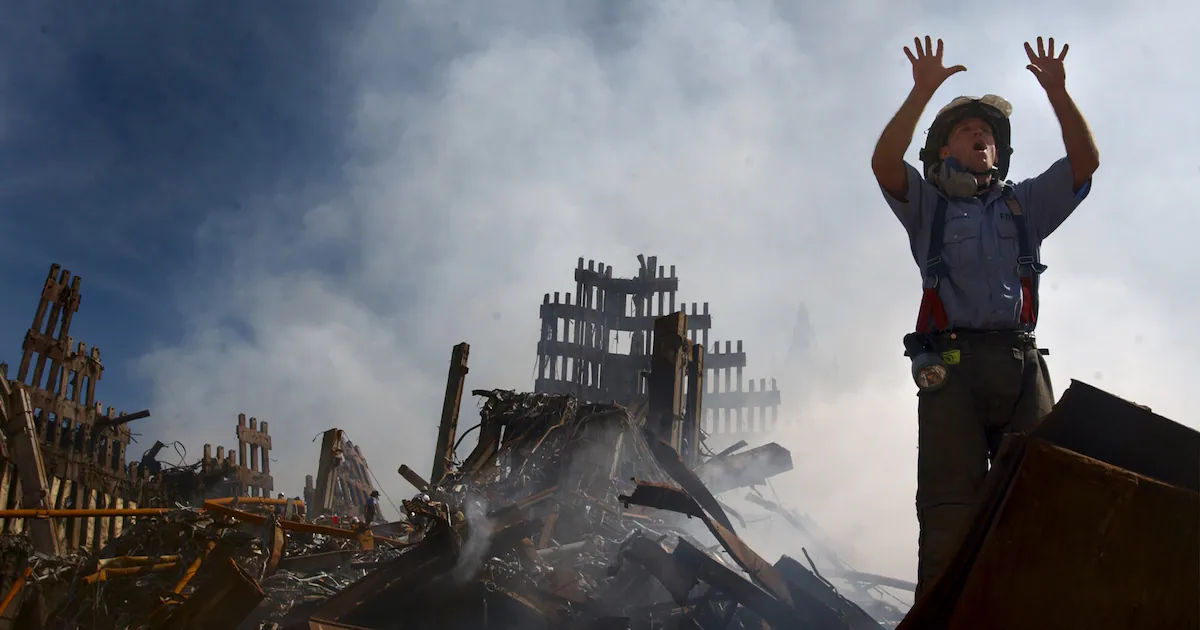
Twenty-five years after the September 11 attacks, Lower Manhattan has undergone a significant transformation. While new buildings have replaced the Twin Towers and tourists visit the memorial site, for younger New Yorkers, the presence of security cameras and concrete barriers is simply a normal part of city life. However, those who lived through the attacks still speak of deep psychological impacts, fear of low-flying planes, and a shift in the sense of freedom. Jonathan Wachtel, an eyewitness who was near the site, recalls the day as one defined by absolute darkness and a desperate search for air. He notes that while the city was rebuilt with great determination, the process was mired in bureaucracy, and the city's security landscape was permanently altered. The attacks not only shifted American foreign policy but also impacted the country's social fabric. Nevertheless, the election of Zohran Mamdani as New York's first Muslim mayor is described as a sign of the city's social evolution over the last quarter-century. Mamdani recently gained attention for releasing documents regarding toxic air quality following the collapse of the towers, highlighting official accountability for citizens' health. For many New Yorkers, despite the passage of 25 years, the memories of that morning remain vivid, easily triggered by the slightest reminder.