

Analysis: Renewable energy is the unexpected winner of the recent Iran-Israel conflict
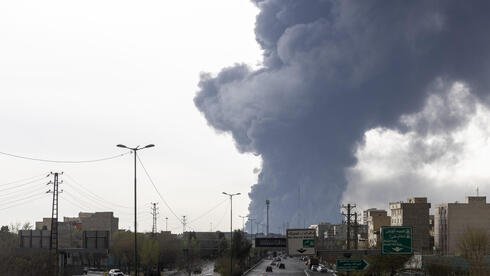
In an analysis published by Ynet, Dr. Nadav Nir argues that while military and political objectives in the recent conflict between Israel and Iran remain unresolved, the crisis has produced an unexpected global consequence: an accelerated shift away from oil and gas. According to the author, the closure of the Strait of Hormuz and subsequent energy price volatility have convinced many nations that reliance on fossil fuels poses a threat to their national security.
The report notes that countries such as the Philippines, Ethiopia, Ghana, Nigeria, and Vietnam have significantly strengthened policies to increase solar energy adoption and electric vehicle (EV) usage. In Vietnam, EV sales have risen by over 120% compared to pre-war levels. The European Union has also responded to the crisis with multi-year energy plans aimed at facilitating domestic power production and providing substantial tax incentives.
Referring to the Trump administration's policies of rolling back clean energy incentives, the author suggests that the energy shocks caused by the war have effectively had the opposite effect, pushing countries to abandon polluting fuels more rapidly. The analysis adds that China, as a dominant supplier of solar panels and electric vehicles, is emerging as a primary beneficiary of this global shift.
In the final section, the author critiques Israel's performance in this transition. Despite the country's geographic potential for solar power, only 7% of Israel's energy consumption comes from renewable sources, and EVs account for less than 5% of vehicles. The author attributes this lag to bureaucratic hurdles, inconsistent government incentives, and the influence of economic interests tied to natural gas infrastructure.