
Analysis: Diplomacy under threat as Tehran offers Strait of Hormuz reopening
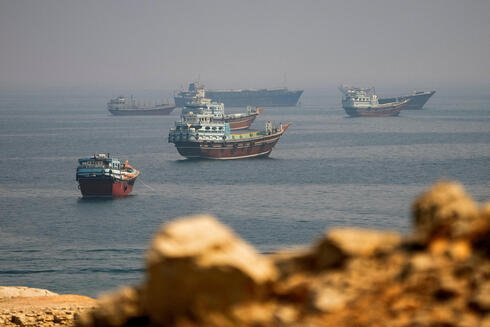
According to a report by Ynet citing Reuters, a senior Iranian official has claimed that Tehran is prepared to reopen the Strait of Hormuz within seven days if the United States reduces its military pressure and lifts port restrictions. This proposal, reportedly conveyed to Washington via intermediaries on 16 September, indicates an attempt to open a diplomatic channel amidst escalating tensions. However, these claims coincide with statements from Iranian military commanders asserting readiness to respond without limitation to potential US military actions. Analysts suggest this duality in messaging is part of Tehran's bargaining strategy to shift the balance of power in potential negotiations. A notable aspect of the report is the granting of full authority to the Iranian delegation at the United Nations to revive diplomacy, which may signal a desire within parts of the leadership to break the current deadlock. Nevertheless, the absence of a meeting between Masoud Pezeshkian and Donald Trump on the sidelines of the UN General Assembly indicates that the divide between the two sides remains deep, and the political will for a fundamental shift in relations extends beyond tactical proposals. For Iran, the Strait of Hormuz has consistently served as a strategic lever. The offer to reopen it in exchange for specific concessions suggests that economic pressures from sanctions and port restrictions are pushing Tehran toward diplomatic tools. However, until the United States declares a formal willingness for a diplomatic resolution and establishes a clear timeline for de-escalation, these proposals remain speculative. Ultimately, the security of the Strait of Hormuz is vital not only to Iran's economy but to global energy stability. Any agreement in this area requires mutual confidence-building, which remains a difficult and challenging path given historical precedents and recent military threats.