Tehran adopts dual strategy of conditions and nuclear warnings ahead of US transition
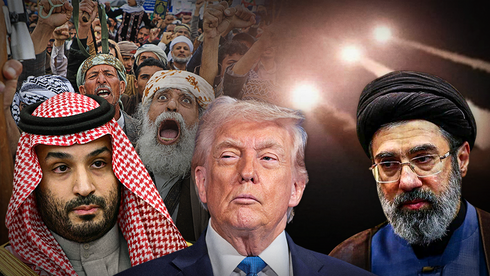
A report by Ynet, citing Mohsen Rezaei, Secretary of the Supreme Council of National Security, indicates that Iran has set seven conditions for potential negotiations with the United States. These conditions, which reportedly include ending conflicts on multiple fronts, the release of frozen assets, and the lifting of maritime blockades, suggest an attempt by Tehran to establish a framework for engagement with the incoming Donald Trump administration. Analysts suggest that communicating these terms through regional intermediaries is a move to break the current diplomatic deadlock and shift the burden of initiative onto Washington. However, significant doubt remains regarding whether the US will accept these terms, posing a major obstacle to de-escalation. A significant portion of Rezaei’s remarks addressed Iran’s nuclear doctrine. He issued a clear warning regarding the possibility of withdrawing from the Treaty on the Non-Proliferation of Nuclear Weapons (NPT) should pressure from Israel and the US persist. While he maintained that Iran remains committed to the Supreme Leader’s fatwa prohibiting the production of nuclear weapons, linking this stance to security conditions marks a shift in Tehran’s tone regarding international pressure. This approach may be interpreted as a tactic to increase bargaining power in potential future negotiations. These positions coincide with the IAEA Board of Governors' decision to refer Iran’s nuclear file to the UN Security Council, further complicating the situation. Tehran views this move as politically motivated, while the IAEA maintains that Iran has failed to meet its obligations. This diplomatic confrontation occurs against a backdrop of rising regional tensions, particularly in Yemen and the Bab al-Mandab Strait, due to Houthi activities. For Iran, these developments are critical to both national security and the macroeconomy. Continued sanctions and military pressure have challenged Tehran’s ability to manage regional crises and maintain domestic stability. Meanwhile, Donald Trump’s policy toward Iran, which remains rooted in 'maximum pressure' despite domestic concerns over oil price volatility, has further limited the scope for diplomatic manoeuvring. Ultimately, analysts believe these recent statements are less a definitive strategic shift and more an attempt to redefine the balance of power ahead of a new cycle of regional and international competition. The continuation of this status quo increases security risks for all actors and leaves the prospect of any sustainable agreement in doubt.