

Analysis: Economic crisis triggers mass departure of Afghan migrants from Iran
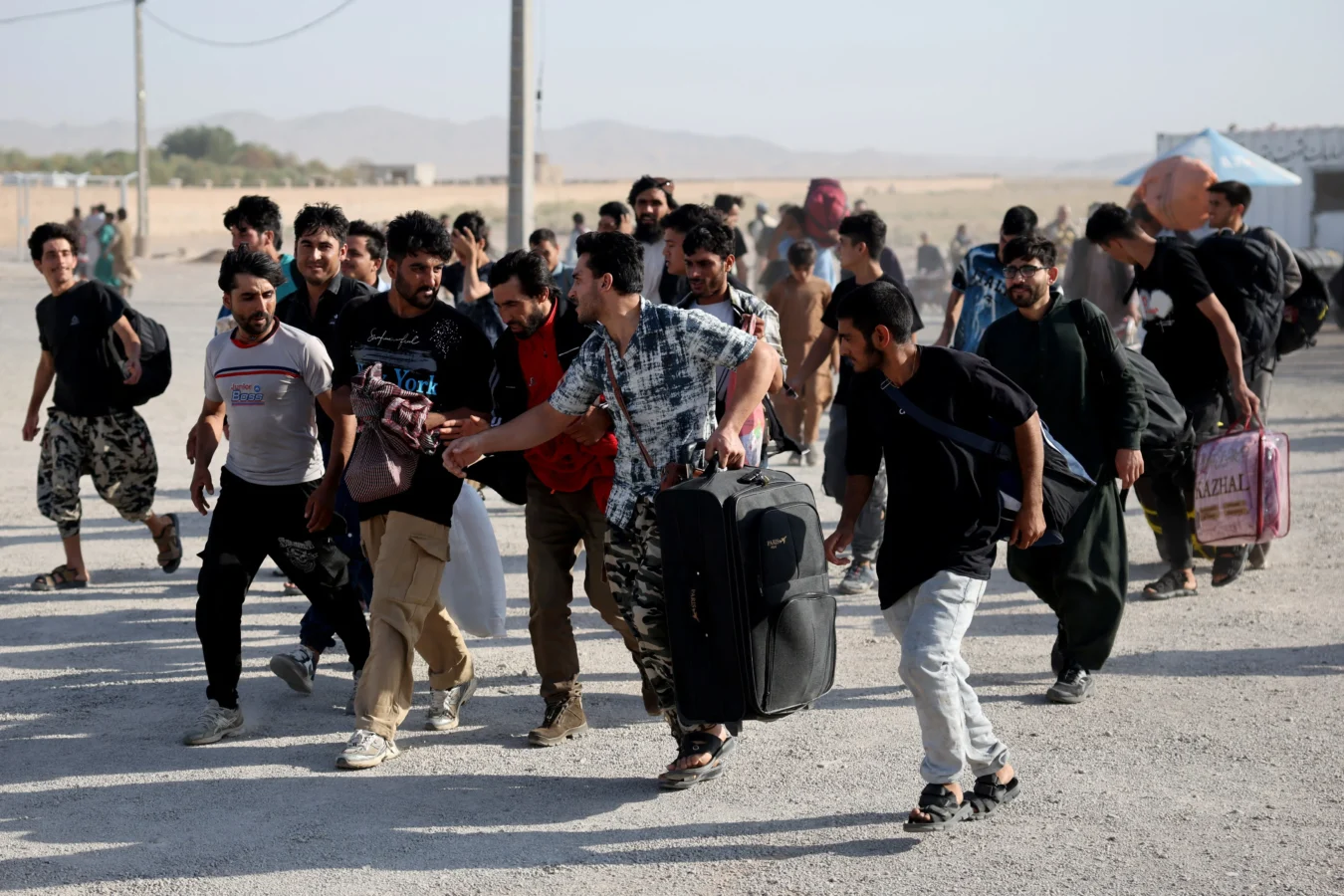
A recent report by The Jerusalem Post, citing field data and footage from the Islam Qala border crossing, indicates a rising trend of Afghan nationals returning to their home country. The report identifies the deteriorating economic situation in Iran and escalating international tensions as the primary drivers of this reverse migration. According to the data, only 29 percent of those returning were able to retain a portion of their savings, reflecting a sharp decline in purchasing power and real income within Iran. UKFarsi analysts suggest this phenomenon illustrates the immense pressure currently exerted on both Iranian citizens and vulnerable migrant communities. With incomes falling by a third compared to pre-crisis levels, many Afghan labourers—who form the backbone of Iran's informal economy and construction sectors—can no longer sustain their lives in the country. The departure of this workforce may create a labour market vacuum that will be difficult for authorities to manage amidst the current recession. From a diplomatic and security perspective, this shift demonstrates how international pressure and sanctions are directly affecting Iran's demographic structure and domestic labour market by impacting macroeconomic indicators. While the return to Taliban-controlled Afghanistan presents its own severe livelihood challenges, the loss of hope for improvement in Iran has forced migrants to make this difficult choice. This trend serves as a warning to Iranian economic policymakers regarding the potential impact of a shrinking workforce on supply chains and domestic production. Ultimately, the report confirms that Iran's economic crisis has reached a point where, even for long-term residents, remaining in the country is no longer economically viable.