
Iranian families struggle to afford the basics as US ratchets up economic warfare
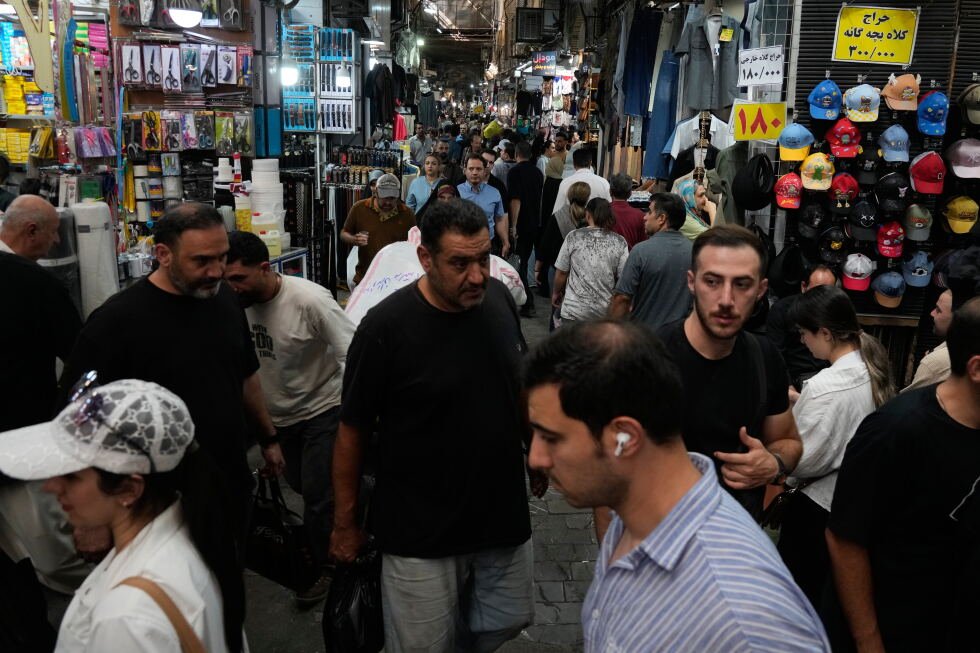
Six months into the war between Iran, the United States, and Israel, the Iranian economy is reeling under the weight of sanctions and a naval blockade that has severely hampered the export of oil, the country's most valuable commodity. While grocery stores in Tehran remain stocked, many families are struggling to afford basic necessities due to soaring inflation and the sharp devaluation of the rial.
According to an Associated Press report, the price of rice has risen by 60% and beef by 150% compared to pre-war levels. Ahmad Karimi, a 52-year-old taxi driver, stated that he works 15-hour days just to make ends meet, having cut out fruit and protein from his family's diet to cope with the rising costs.
The International Monetary Fund projects that inflation in Iran will reach nearly 70% by the end of the year, with the economy expected to shrink by more than 5%. Meanwhile, a government official recently told state television that daily gasoline consumption has surpassed production, raising the possibility of price hikes—a move that has historically triggered widespread unrest.
U.S. President Donald Trump has vowed to unleash the most crushing economic operation against Iran, and the United Arab Emirates has announced the suspension of all trade with Tehran. Despite these pressures, economic experts note that Iran continues to circumvent sanctions through informal trade networks and a shadow fleet for oil exports, preventing total economic collapse.
While the administration of President Masoud Pezeshkian has expressed a preference for a negotiated end to the war, the Islamic Revolutionary Guard Corps remains a dominant force, pushing for greater concessions. Supreme Leader Ayatollah Ali Khamenei recently appointed a former Guard commander to head the Supreme National Security Council, signaling a continued commitment to a hard-line approach.