

Report: Gulf states use ‘dark’ tankers to bypass Iranian threats in Strait of Hormuz
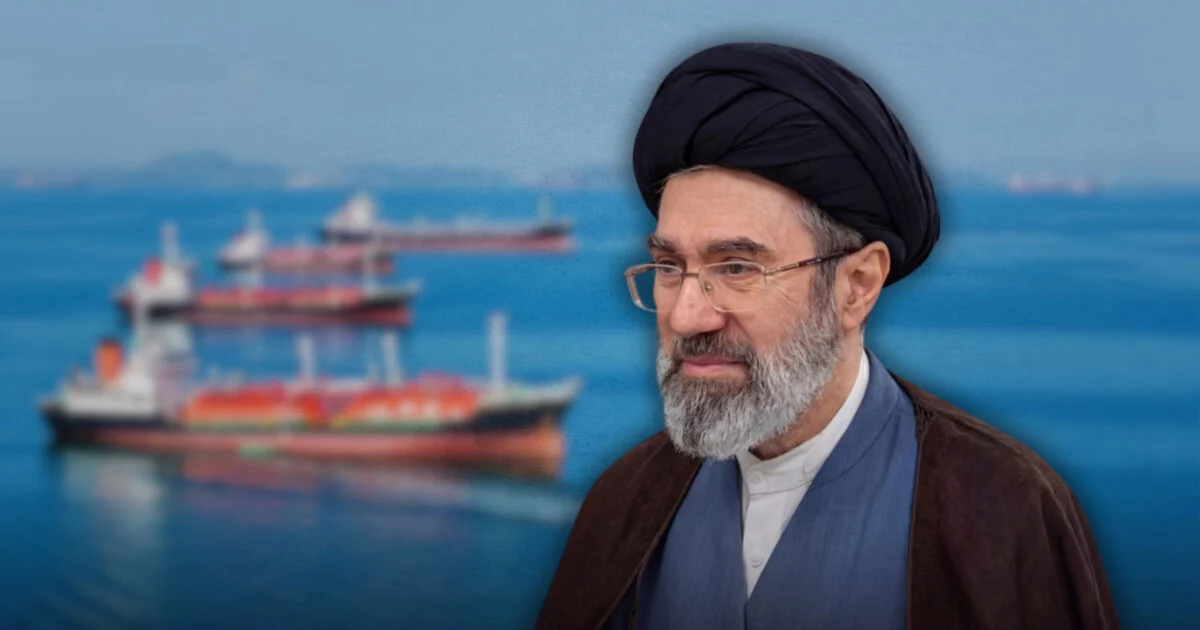
According to reports, energy companies in Gulf states including Saudi Arabia, Kuwait, Qatar, and the UAE have adopted an unusual method to maintain oil exports through the Strait of Hormuz. In this practice, tankers turn off their Automatic Identification System (AIS) transponders while traversing the strategic waterway to remain hidden from tracking systems. These 'dark' ships, sometimes escorted by the US Navy, transfer their cargo to other tankers in the Gulf of Oman after clearing the danger zone. As reported by CNN, this tactic is intended to mitigate the risk of Iranian attacks. Data from the US Department of Energy indicates that 8 to 9 million barrels of oil pass through the strait daily, roughly double the volume reflected in commercial tracking data. For example, the Greek-owned tanker Kiku disabled its signal while passing through the strait after loading in Qatar, reappearing on tracking systems only after reaching the other side. The vessel had previously been targeted by an Iranian drone. The firm Kpler reported that approximately 80% of traffic in the strait during a two-week observation period occurred without AIS transmissions. However, this method is expensive, risky, and considered a temporary solution. Furthermore, regional states are attempting to reduce reliance on the strait; Saudi Arabia, for instance, has diverted a portion of its exports through the East-West pipeline to the Red Sea.