

German Jews debate military service eight decades after the Holocaust
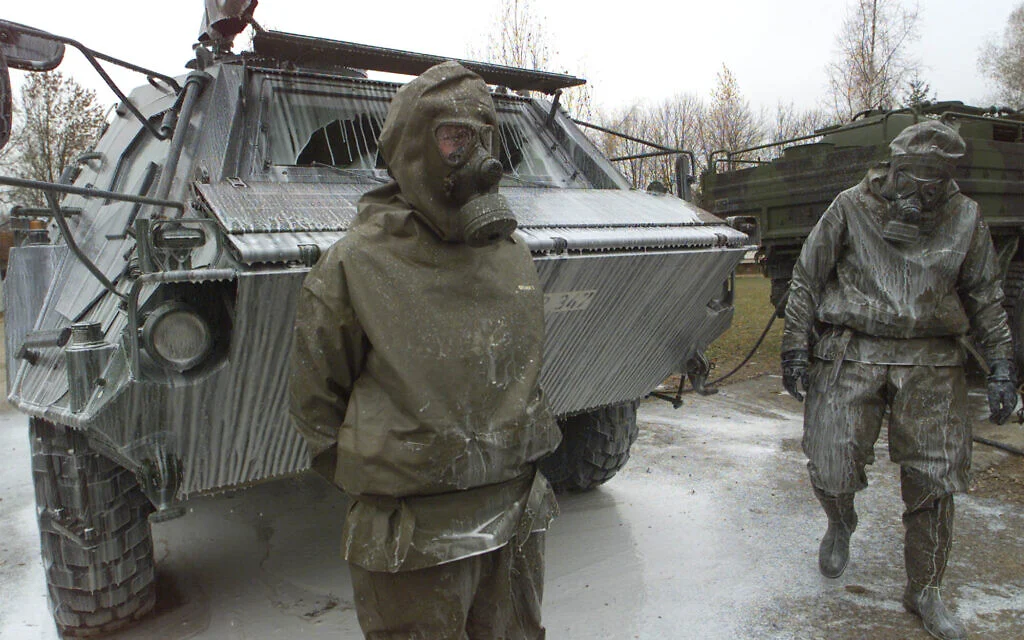
As Germany considers reinstating mandatory military service, the nation's Jewish community is engaged in a fresh debate regarding its relationship with the Bundeswehr. Eight decades after the Holocaust, this discussion remains deeply intertwined with the memory of Nazi crimes. In Sonthofen, a former training school for Nazi elites and a barracks built in 1936 for Wehrmacht mountain troops now house a Bundeswehr facility. A Jewish lieutenant, using the pseudonym 'Levi', serves there and acknowledges the site's history, yet views the Bundeswehr as the army of a free, democratic Germany, distinct from the traditions of National Socialism. He is one of approximately 300 Jewish soldiers currently serving. The Bundeswehr was established in 1955, just ten years after the war. The Wehrmacht played a central role in the murder of six million Jews, and nearly all of the Bundeswehr's initial 15,000 officers had served in the Wehrmacht, including 300 former Waffen-SS members. Consequently, Jewish survivors and their descendants were exempt from conscription until it was suspended in 2011. Josef Schuster, president of the Central Council of Jews in Germany, has called for a reassessment of this relationship. In a November 2025 note, he asked where Jews stand 80 years after the Nazi regime, concluding that they stand with a democratic Germany and an army that defends its values, adding that the community should be prepared to do its part. A milestone in this relationship was the 2021 establishment of a Jewish military chaplaincy, with Zsolt Balla becoming the first Jewish chaplain in over 100 years. Balla notes that many German Jews with roots in the former Soviet Union have a more positive view of military service due to family history and the war in Ukraine. Following Russia's 2022 invasion, Chancellor Olaf Scholz declared a 'historical turning point'. Germany has since increased military spending and aims to grow the Bundeswehr from 186,000 to over 260,000 personnel. From 2027, young men must register for medical assessment, though service remains voluntary for now. Journalist Anna Zhukovets, who is of Ukrainian-Jewish descent, supports the return of conscription. Once a pacifist, she says the war in Ukraine fundamentally changed her perspective, arguing that Russia understands only the language of power and that a strong, democratic Bundeswehr is the best protector of human rights. However, others remain hesitant. A student named Daniel stated he would never join the Bundeswehr, citing a lack of positive identification with the country due to his ancestors' persecution and his own experiences with antisemitism. He instead served three years in the Israeli military. Ron Dekel, head of the Union of Jewish Students in Germany, notes that while the war in Ukraine has shifted perspectives, concerns persist regarding right-wing extremism. In 2024, the German Ministry of Defence reported nearly 100 soldiers dismissed for right-wing activities, 17 cases of Hitler salutes, and 280 suspected cases of extremism—a 30% increase from the previous year. Dekel also warned of the political rise of the AfD party, questioning how Jews could serve if such a party were to appoint a defence minister. He advocates for the right to alternative civilian service should conscription return. Lieutenant Levi acknowledges the reality of right-wing extremism but remains committed to his career, hoping to eventually lead soldiers and help diminish the influence of extremists from within the ranks.