
Trump’s new bet on Iran: Break the economy, avoid another war
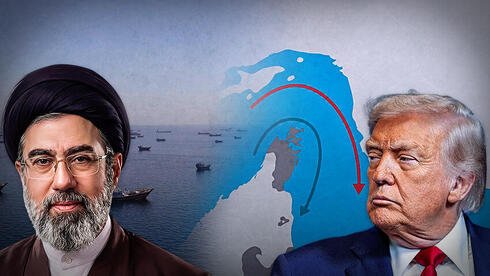
U.S. President Donald Trump has signaled a new phase in his campaign against the Islamic Republic by announcing an operation to intensify Iran’s economic isolation. It appears the president has concluded that a broad war does not guarantee a clear victory and could complicate matters, given Iran’s capacity to inflict damage on neighbors and the constraints on U.S. military resources. Meanwhile, Axios reports that the U.S. has established a protected shipping route in the southern Strait of Hormuz, allowing tankers escorted by military convoys to transport approximately 10 million barrels of oil nightly.
This strategy marks a return to the “maximum pressure” policy of Trump’s first term, which previously triggered a severe economic crisis in Iran, including record-low oil exports and inflation exceeding 40%. Current conditions may favor this approach, as the United Arab Emirates has announced the severance of all commercial and financial ties with Iran, and tensions with Iraq over the disarmament of Shiite militias have hindered Baghdad's ability to assist Tehran.
Iranian Foreign Minister Abbas Araghchi dismissed the threats as an attempt to distract the American public from domestic financial crises, labeling the policy a failure. However, reports from within Iran, including in the reformist Shargh newspaper, indicate a severe crisis in the food market, with prices rising by over 128% in July 2026, threatening food security.
Dr. Raz Zimmt, an analyst at the Institute for National Security Studies (INSS), notes that Tehran retains tools for escalation, such as attacks on tankers, port sabotage, and the use of regional proxies like the Houthis. From Tehran’s perspective, yielding to U.S. demands without security or economic guarantees is perceived as more dangerous than escalation. It remains uncertain whether this economic campaign will achieve the U.S. or Israeli goal of political collapse or the neutralization of Iran’s nuclear capabilities.