

Gulf oil exports persist despite regional tensions and rising costs
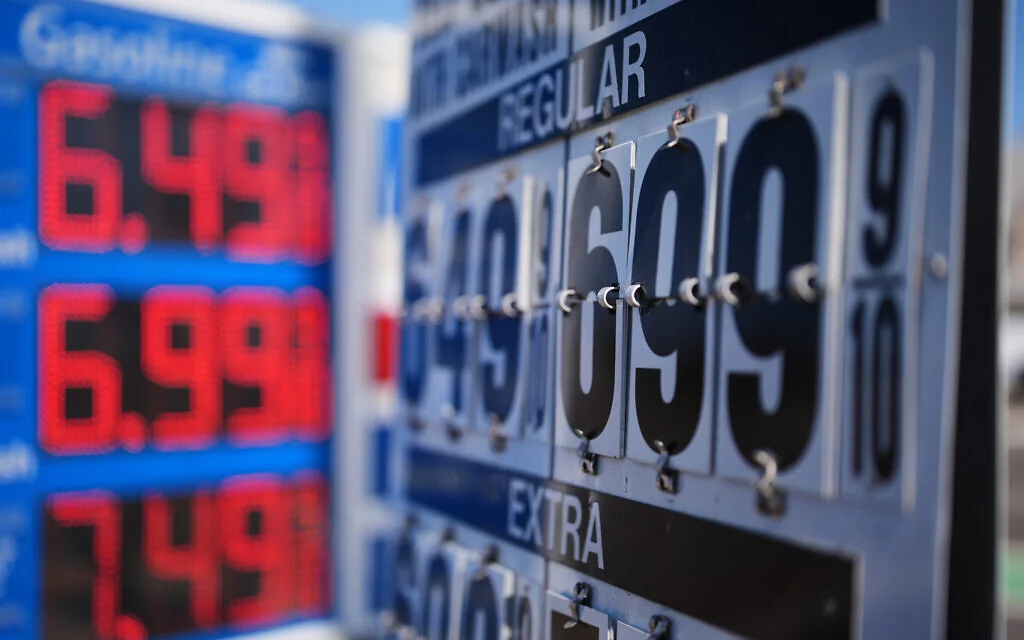
A recent report from The Times of Israel suggests that Gulf oil-producing nations have successfully maintained energy exports despite security threats and attacks attributed to the Islamic Republic. To reduce the risks associated with the Strait of Hormuz and maritime insecurity, these countries have turned to land-based pipelines and modified tanker transit protocols. While these measures have prevented a total halt in exports, sources cited in the report indicate they have imposed significant operational and logistical costs on these economies. UKFarsi analysts observe that this shift reflects a strategic move by regional producers away from sole reliance on maritime routes toward export diversification, driven by a realistic assessment of persistent regional security tensions. The sustained oil price of around $100 per barrel suggests that the global energy market continues to factor in geopolitical risks related to Iran. For Tehran, these developments signify a reduction in the effectiveness of the 'closing the Strait of Hormuz' leverage, as neighbouring countries have effectively reduced their vulnerability to military threats through investment in alternative infrastructure. In the long term, this trend could weaken Iran's strategic position in the energy market and increase the diplomatic and economic costs of its regional isolation. Ultimately, the continuation of this fragile situation not only threatens regional energy security but also casts doubt on the prospects for economic stability in the Middle East by depleting strategic reserves and intensifying security pressures.