

Analysis: Iran pivots to Turkish land borders to bypass maritime sanctions
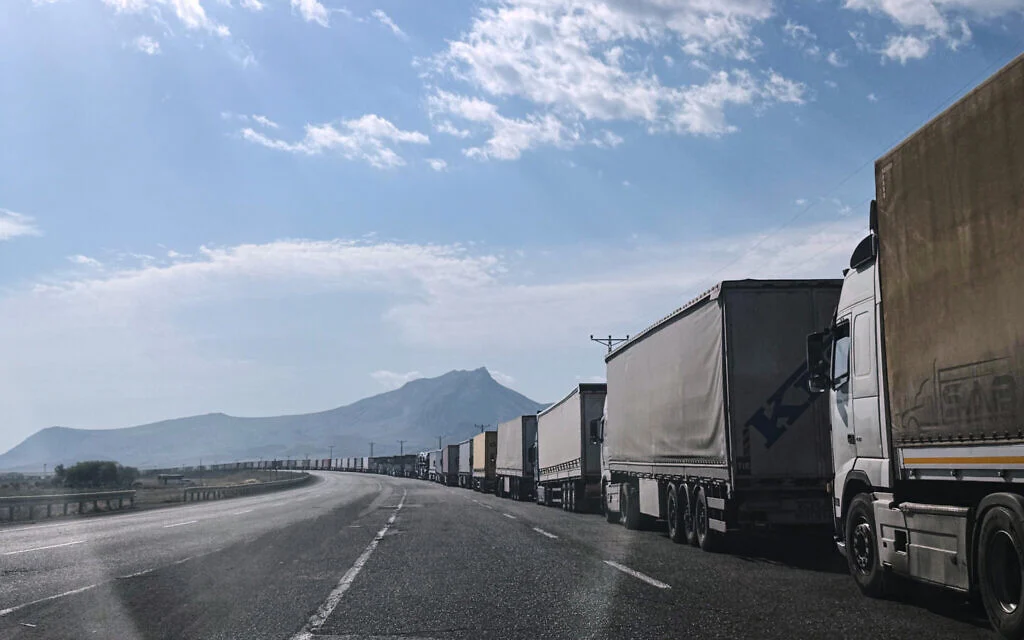
A recent report from The Times of Israel regarding long queues of lorries at the Gürbulak border crossing between Turkey and Iran has revealed a shift in Iran's foreign trade patterns following international pressure. According to the report, hundreds of lorry drivers are facing multi-day waits to cross the border, a situation caused by a sudden surge in land transport volume. This change in route is assessed as a direct response to US-imposed restrictions on Iranian ports and maritime trade. Analysts suggest this congestion is not merely a logistical challenge, but an indication of efforts to maintain the flow of goods as maritime routes face increasing risks and costs. Shifting cargo from sea to land has increased final costs and slowed supply chains. For the Iranian economy, this means higher import and export costs, which may ultimately impact the price of essential goods in the domestic market. From a regional security perspective, over-reliance on limited land crossings creates new vulnerabilities to political and security fluctuations along the western borders. While governments typically seek to diversify trade routes, the report emphasises that maritime restrictions have effectively limited Iran's options, pushing land infrastructure to the point of saturation. This development illustrates how US sanctions policies have influenced Iran's economic and logistical structure by forcing a shift in transit routes, creating new challenges for the country's economic management.