Ynet Analysis: Iran gambles on Trump, but time is running out for Tehran
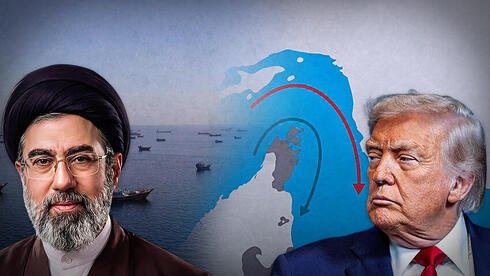
In a Ynet analysis, Rami Simani writes that the Islamic Republic of Iran, by signing agreements to buy time before returning to aggression and destabilisation, may eventually reach a point of no return. According to Simani, the agreement signed on 17 June was intended to reopen straits, reduce regional tensions, and restore normal shipping routes. However, he notes that Iran resumed attacks on vessels and threats against regional states before the ink had dried. Simani states that the US was better prepared this time, facilitating the transport of approximately 80 million barrels of oil from the Persian Gulf, which helped stabilise oil prices and calm markets. Simultaneously, a process was initiated to explore the potential release of frozen Iranian assets. The analysis claims that Tehran, while continuing to attack tankers and regional neighbours, reverted to jihadist rhetoric and religious war narratives, avoiding serious negotiations while insulting the United States. Simani argues that only Donald Trump’s threats of devastating consequences brought Iran back to the table—a cycle that could lead to another agreement and claims of a 'new era' by diplomats, despite doubts over its longevity. Simani describes Tehran’s strategy as an attempt to frustrate Washington, humiliate the US President, and undermine his image as leader of the free world. He suggests that even if gas prices fall and markets stabilise, the perception of presidential weakness could become a political liability ahead of the November elections. The author notes that Vice President JD Vance, a supporter of Israel who reportedly still believes in the possibility of persuading the Islamic Republic to abandon its nuclear programme, may find it impossible to maintain this position if provocations continue. The piece argues that if Trump concludes that diplomatic avenues are exhausted and his international standing remains damaged, political and strategic pressure for military action will intensify. Simani suggests that Trump might then seek Israeli participation in a broader campaign aimed not merely at deterrence, but at striking the Islamic Republic’s energy, transport, and economic infrastructure to sever its supply lines. The author claims that Gulf states recognise this danger and are wary of living alongside an unpredictable regime capable of threatening critical infrastructure with drones. He concludes that the collapse of the Islamic Republic could transform the global oil market, bolster Trump’s position before the November elections, and secure decades of American conservative geopolitical dominance—a shift that would likely concern Beijing amid its growing confrontation with Washington.