Tunisia sees investment surge, but projects face implementation hurdles
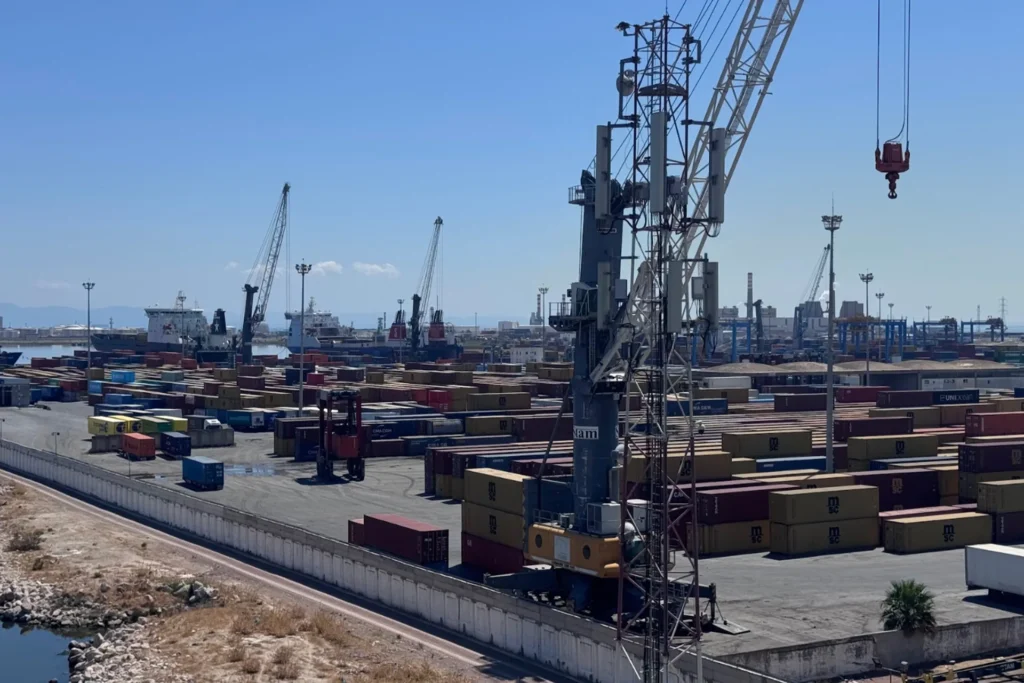
Announced investments in Tunisia reached approximately 8.36 billion dinars ($2.85 billion) in 2025, a 39.3% increase from the previous year. According to the Tunisian Investment Authority, these figures could potentially create over 101,000 jobs. However, investor experience suggests a significant gap remains between project announcements and actual implementation. Mohamed Khalil, who is attempting to modernise a poultry farm, told Al Jazeera that he has spent four years navigating administrative requirements. He described the process as a "maze" of complex, evolving requirements involving health, veterinary, and environmental regulations. Foreign investment also grew by 30.3% in 2025, reaching 3.57 billion dinars ($1.22 billion), driven by Tunisia's proximity to Europe, competitive production costs, and a skilled workforce in sectors like automotive, aerospace, and textiles. Despite these figures, data does not track how many projects reach the operational stage. Economic expert Samir Zentour noted that while Tunisia has significant potential, it is hampered by outdated regulations and bureaucracy, which can lead to capital stagnation and increased costs. World Bank data indicates that 28.8% of 645 surveyed firms identified access to finance as their primary obstacle, followed by electricity (14%), taxes (11.8%), and informal sector competition (7.6%). Administrative permits were cited as the main issue by only 4.5% of firms, though this varies by sector. Furthermore, 67.1% of surveyed firms reported having no loans or credit lines. Economist Ridha Chkoundali warned that firms facing financing, energy, and tax pressures are more cautious about expansion. Small and medium-sized enterprises (SMEs) are particularly vulnerable, with national association spokesperson Abderrazak Hawas reporting an annual closure rate of nearly 39% and an average lifespan of 18 months. Tunisia is currently seeking to boost foreign investment, including from Gulf nations, as discussed at the recent Tunisia-Gulf Economic Forum in Hammamet. While investors like Omani businessman Ahmed Omar view Tunisia as a relatively safe destination, experts like governance specialist Nadia Jelassi argue that updating international arbitration mechanisms and ensuring a predictable legal environment are essential for long-term success. Tunisia recorded 2.5% economic growth in 2025, with 2.6% in the first quarter of 2026, alongside 5.3% inflation and a 15% unemployment rate. Experts maintain that achieving sustainable growth requires comprehensive reform across financing, energy, taxation, and the judicial system.