

Libya requires $36bn investment to hit two million barrels per day oil target
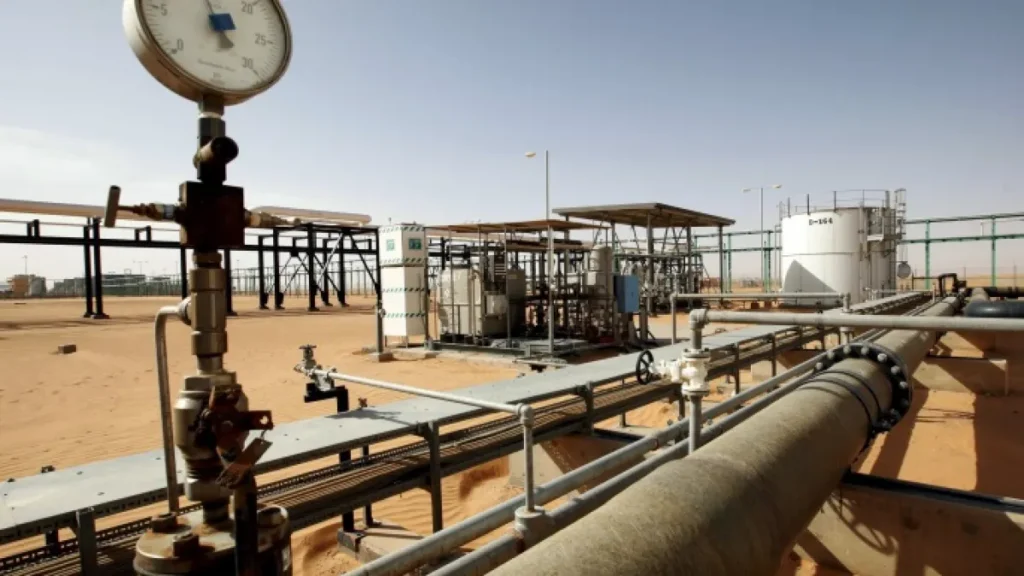
Libya’s National Oil Corporation (NOC) has announced it requires approximately $36 billion in investment to increase crude oil production to two million barrels per day (bpd) by the start of 2031. The corporation has also set a medium-term target of exceeding 1.5 million bpd by mid-2027. Farhat Bengdara, chairman of the NOC, told Bloomberg that $20 billion is expected to be sourced internally, with the remaining $16 billion sought from foreign partners. He noted that the NOC requires roughly $300 million monthly for operational costs, with over 13 billion Libyan dinars (approximately $2 billion) allocated in the unified development budget for current expenses. Bengdara stated that the NOC received no allocation in 2025, causing delays that created difficulties for the corporation and its partners. However, he added that this phase has passed, and regular funding has allowed the NOC to maintain current production at approximately 1.4 million bpd. Past debts have been rescheduled, with payments for 2024 and 2025 estimated at 25 billion Libyan dinars, or nearly $4 billion. To fund the initial phase of increasing production to 1.5 million bpd, the NOC has agreed to a $1 billion loan from the Libyan Foreign Bank, with a further $1 billion to be made available once that production level is reached. Energy expert Ahmed al-Maslati told Al Jazeera that surpassing 1.5 million bpd is achievable. Libya’s crude production in June 2026 stood at approximately 1.439 million bpd, with total output including condensates reaching nearly 1.488 million bpd. Al-Maslati suggested that this initial phase can be achieved by improving the efficiency of active fields, repairing wells, and drilling new ones without needing to discover new fields. He added that reaching two million bpd will require a broader investment programme in infrastructure, including the development of the Waha, Jalo, and Dahra fields, as well as the Mabruk, Sharara, El Feel, Sarir, Messla, Nafoura, and Abu Attifel fields. Economic analyst Abdul Karim al-Jadidi described the 1.5 million bpd target as ambitious but achievable within 18 to 24 months, provided that at least $3 billion in immediate funding is secured for repairs and operational security is guaranteed. He identified the two-million-bpd goal as a strategic medium-term objective requiring three to five years, the return of major international companies, and clear contractual frameworks. Al-Jadidi argued that Libya’s primary issue is not a lack of oil resources, but a delay in securing dollar liquidity and the degradation of infrastructure after years of neglect. He cited revenue management and governance as the most significant challenges, noting that a lack of transparent budgeting undermines investor confidence. Furthermore, he warned that aging pipelines, ports, and processing facilities risk leaks and export disruptions. Al-Maslati noted that if the $36 billion is managed effectively and prioritised, it could provide a solid financial foundation for the two-million-bpd target. He emphasised that modernising transport lines and storage capacity is essential. Al-Jadidi estimated that an increase of 500,000 bpd at $80 per barrel could generate roughly $14.6 billion in additional annual revenue, though he cautioned that this would be offset by contractor obligations and rising operational costs. He concluded that the positive financial impact would only be felt by citizens if revenues are legally ring-fenced, inflation is controlled, and the oil sector is insulated from political instability.